AI & BUSINESS · NEWS EXPLAINED
Singapore AI adoption: what a new survey means for your business
LINA Apps · 12 October 2026 · 3 min read
The 30-second explanationMicrosoft shared new Singapore findings from IDC research today. The survey suggests some organisations are moving beyond trying AI tools to using them in everyday operations. For a smaller business, the useful question is simple: which task can AI improve, and how will you measure the result?
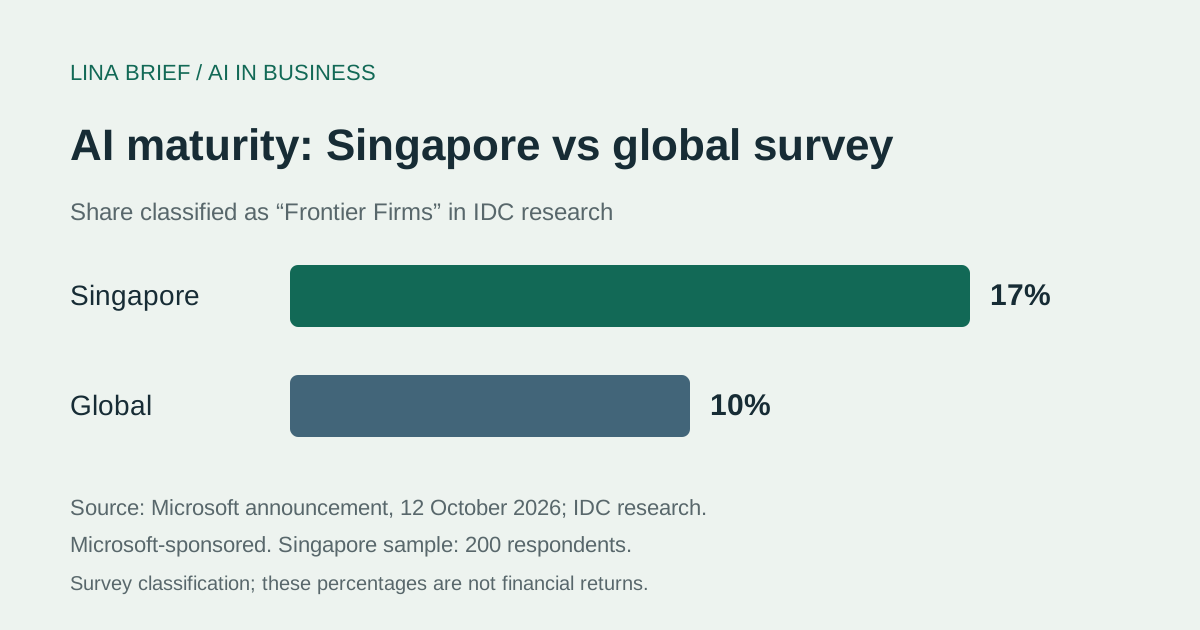 Original LINA Apps chart using figures reported by Microsoft. This measures a survey category, not profit.
What was announced today?
In its 12 October announcement, Microsoft says IDC classified 17% of Singapore organisations as “Frontier Firms,” compared with 10% globally. That category describes organisations with more developed AI strategies. The Singapore findings draw on 200 respondents.
Microsoft also reports that 41% of surveyed Singapore organisations say AI is increasing revenue or creating new revenue streams. These are reported survey outcomes, not a promise that buying an AI tool will increase your sales. Read the original announcement.
What does “AI maturity” mean?
IDC’s scale considers how organisations use and manage AI, including skills, risk management and outcomes. In plain English, trying a chatbot is different from building a dependable business process around it.
What the survey cannot tell you
The research was commissioned by Microsoft, which sells AI products. The figures should be read with that commercial context. They do not establish that AI alone caused revenue growth, and Singapore findings cannot automatically describe businesses in India or every other country.
A practical example: customer enquiries
The following is our illustrative example, not a result from the survey. Imagine a shop receives the same delivery questions every day. An assistant could find the approved policy and draft a reply. A staff member checks unusual requests before sending.
Before starting, count how long replies take and how often they need correction. Run a small trial and compare the results. Include software costs, staff review time and mistakes when deciding whether the trial helped.
Pick one taskChoose a repeated problem.
Keep oversightCheck important actions.
Measure resultsCompare time, cost and errors.
Three questions before you spend money
- What problem are we solving? Choose a specific task, such as sorting enquiries, rather than a vague goal to “use AI.”
- Which information can the tool access? Decide what it needs and whether customer information should be shared.
- What would count as success? Agree on a measurable improvement and a reason to stop if the trial disappoints.
Does your business need AI right now?
It depends on the problem. If orders are scattered across messages and spreadsheets, a straightforward ordering system may help before AI does. Fixing the workflow gives you a clearer foundation for automation later.
Sources and transparency
This explainer uses Microsoft’s 12 October announcement about Microsoft-sponsored IDC research. Figures are attributed to that announcement; we have not independently audited the survey data. Practical suggestions are LINA Apps’ analysis. AI assisted research and drafting; Sources checked against the original announcement before publication.