AI MODELS / META’S NEW AGENT PUSH
Meta launches Muse Wonder: what Active Memory and Active Focus actually mean
The new models are designed for tasks that unfold over time. The launch is confirmed; claims of superior performance still need careful evaluation.
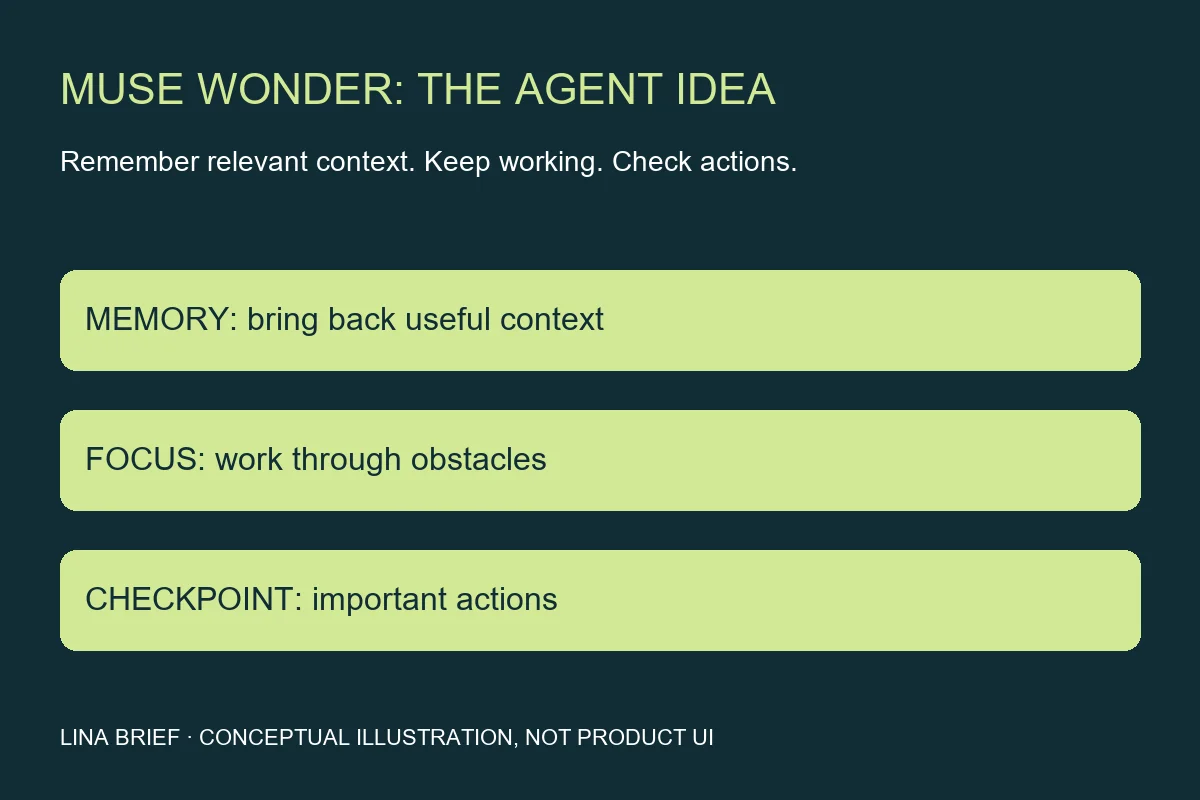
Meta announced Muse Wonder and Muse Wonder Full on 12 October. It says Wonder is available through the Meta Model API and Muse Code, while Full is available to Muse Code subscribers. The company emphasises remembering relevant context and persisting with complex tasks. Its performance and safety descriptions are company claims, not conclusions from our own tests.
What has actually launched?
Meta’s newsroom announcement introduces two models and distinguishes their access routes. It says Wonder will subsequently power experiences in Muse, starting with subscribers. A model’s launch through developer tools is different from an immediate rollout to every consumer.
Before trying a new service, check its current access rules and account requirements. This article does not establish availability in every country, a free tier or specific pricing.
What is Active Memory?
In its research announcement, Meta describes Active Memory as keeping important context across conversations and retrieving information when it becomes relevant.
Here is a hypothetical example: you ask an assistant to plan a project, then return later with a changed deadline. Useful memory would let it apply the earlier requirements to the new situation. Simply remembering more text is not enough. It needs to bring back the right information and recognise when old information has become outdated.
The practical question is therefore more precise than “does it remember?” Ask whether you can see what it retained, correct an error and understand how information is used. This launch article does not verify the product’s memory controls.
What is Active Focus?
Meta uses Active Focus to describe continued work toward a difficult goal: trying different approaches, recovering from obstacles and asking for clarification or checking before important actions. The research post names FocusBench and SWE-Marathon among its evaluations.
Imagine a software task that requires several rounds of changes and checking. A useful assistant should not mistake the first plausible answer for a finished result. It should determine whether the work meets the requirement, and explain an unresolved problem when it cannot finish. This is our explanatory example, not a demonstrated Muse result.
Why memory and persistence need to work together
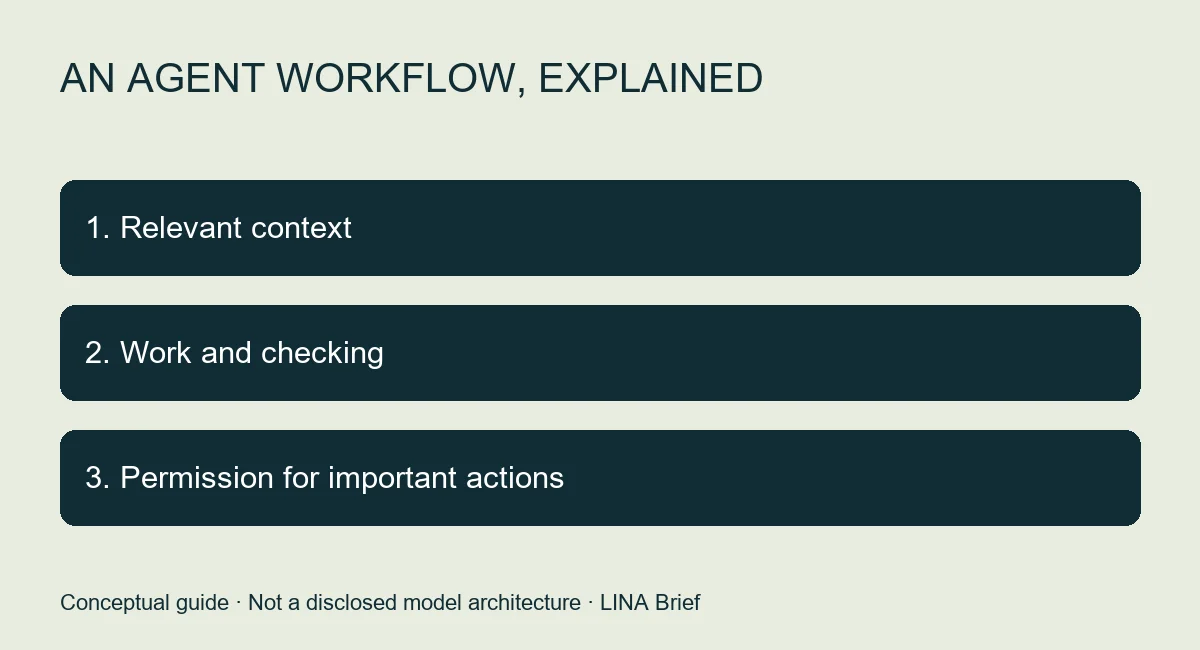
Our analysis: Persistence without accurate context can keep a system working on the wrong goal. Memory without reliable execution can preserve the goal while failing to accomplish it. Their value depends on the whole process: interpreting the request, using appropriate tools, noticing mistakes and reporting the result.
That also changes how readers should evaluate demonstrations. A polished end product does not reveal how many attempts were needed, what tools were available or which errors occurred along the way. A useful evaluation should include difficult cases and unfinished tasks, not only attractive examples.
Is Muse Wonder better than other AI models?
Meta describes the models as its most capable and reports leading results in selected areas. We have not independently reproduced those evaluations. A launch announcement can establish what a company released and what it claims; it cannot settle every comparison.
For a useful test, hold the task, tools, time and evaluation criteria consistent. Compare whether the work was completed correctly, how much intervention was needed and whether the result can be checked. A model ranking is less informative when those conditions differ.
This article deliberately avoids a numerical leaderboard: the accessible text does not provide enough benchmark detail for us to construct a fair comparison.
What do we know about safety?
Meta says it trained the models to handle private information carefully and resist misuse. Its announcement says a fuller report with additional safety evaluations is forthcoming. Those statements deserve attribution rather than being treated as a guarantee.
For an agent, completing a task and having permission to take an action are separate requirements. The important question is whether the system recognises that distinction consistently. Product-specific evidence is needed to assess it; a general description of intended behaviour is only the starting point.
What should readers watch next?
- Detailed evaluation methods and reproducible independent tests.
- Clear access, pricing and regional availability documentation.
- Memory controls and evidence about error recovery in real use.
- The additional safety report Meta says is coming.
Can everyone use Wonder Full immediately?
Meta describes access through Muse Code subscriptions. That does not establish universal consumer availability.
Does the announcement prove fully independent agents?
No. It describes models and capabilities, including clarification and action checkpoints.
Sources and transparency
Meta newsroom, 12 October · Meta research announcement, 12 October.
Both sources were opened on 13 October 2026. They are first-party publications, not independent assessments. AI assisted research and drafting; diagrams are original explanatory graphics. Examples are hypothetical and labelled. We have not tested the models or verified pricing.
What would you want an AI agent to remember or ask before doing? Share your thoughts below ↓